Ah…! Here’s a key topic in project management that’s too often glossed over because it’s tedious. Here’s the story of a stage in project development that deserves closer attention. Once upon a time…
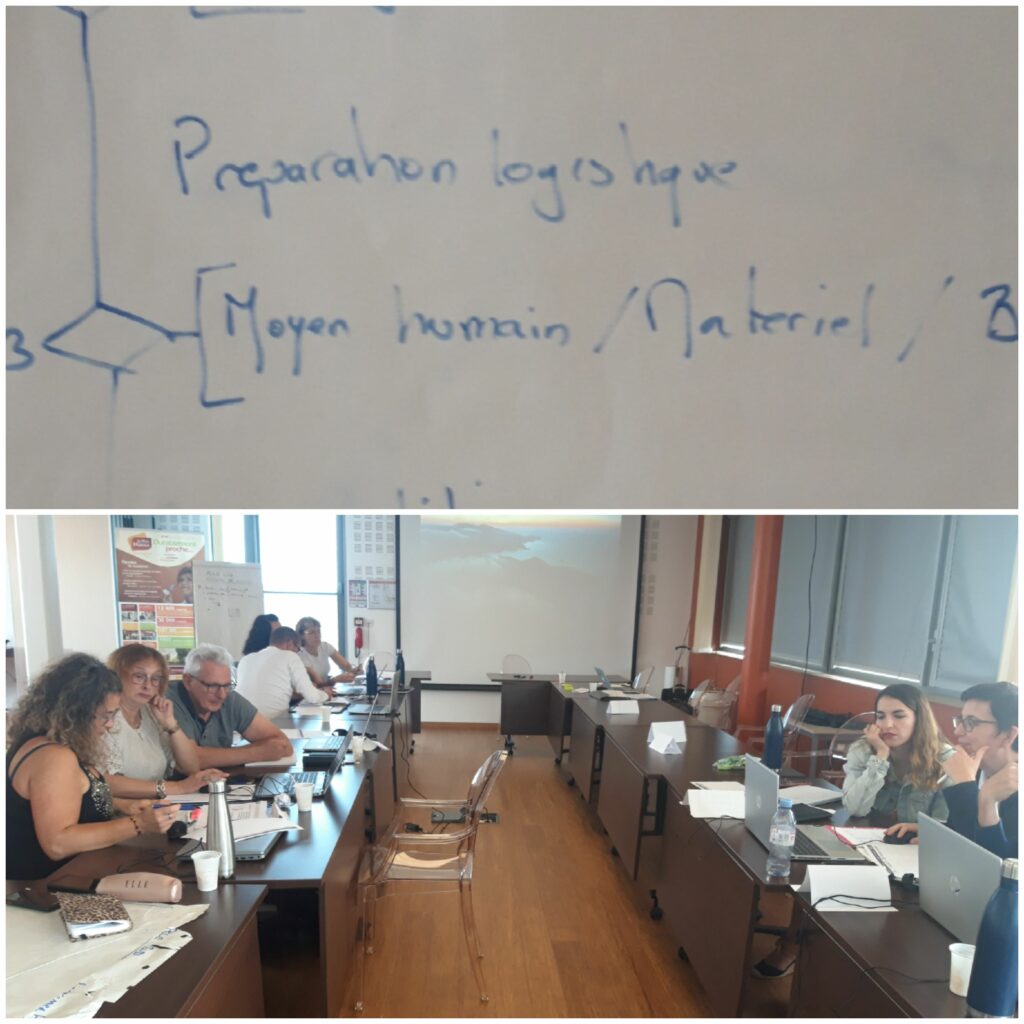
How do you create a relevant work order? Starting with the phasing – defined in the opportunity phase – each phase must then be broken down into clearly defined tasks. This means decomposing the phases into elements precise enough to allow for objective evaluation: How long will this task take? Who can do it? What are the evaluation criteria for determining when it is considered complete? What dependencies does this task have on other tasks?
And now you’ll ask me: OK, but how can a project manager do this work? He/she must surround himself with department heads to do this breakdown (or team members if they are already assigned – note that this situation is rare since we haven’t yet defined the work to be done… but it happens).
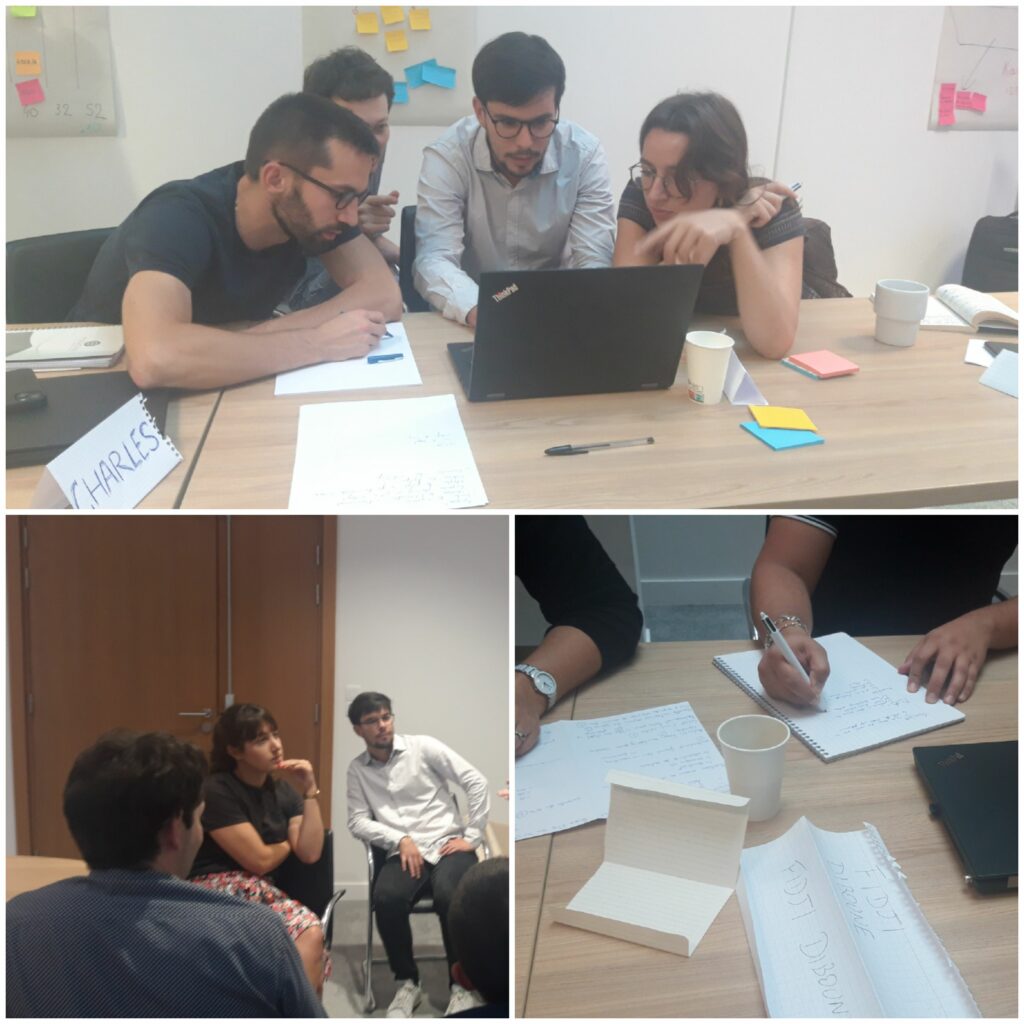
And then what? From there, we create a glossary of tasks to provide clear instructions for each task, along with additional information. This task guide will be a useful document for formalizing commitments with project stakeholders and their managers.
Okay, we now have a detailed work order (WO) of tasks with the time required to complete them. We might be tempted to rush to MS Project, Monday.com, Jira, or Excel to create a nice schedule.
And that’s where we miss an important step: the PERT method. This method allows us to see how dependencies and task times will help us understand the structure of the entire project and its critical path.
This is also where we will realize if we have too many critical tasks (more than 30% critical tasks). And if so: we throw our work in the bin, and we start the OT again.
A PERT network that indicates an OT that is too risky, that is to say with too many tasks considered critical, is a sign that we must go back to our initial breakdown.
Does it seem tedious? Perhaps. But it’s also the necessary investment to start on the right foot because it’s from this breakdown that the following will be derived: the schedule, the budget, the job descriptions, etc… “Preparation is all,” as Shakespeare said.
To summarize: Phasing > OT > PERT > Planning. If the planning isn’t working, we go back to OT, or even to phasing if necessary. Not being afraid to return to the beginning will allow for a smoother execution, thus positively impacting motivation, decision-making, and adherence to Quality, Cost, and Time constraints.
Tip: Once you’ve assigned all the project stakeholders (the project team), repeat this exercise and ask the task stakeholders to refine the schedule: in short, play around with the schedule to allow for collective ownership. Motivation, team spirit, a sense of belonging, collective intelligence: create a positive dynamic 🙂. And as a bonus, as the project manager, you’ll be less tired later on.
Need help with this task in your company? Contact me. With Nova Train, we always ensure we start off on the right foot.
Nova Train – Keep Searching